Is It Hard for You to Have Faith in God for What You Need but Don’t See Yet?
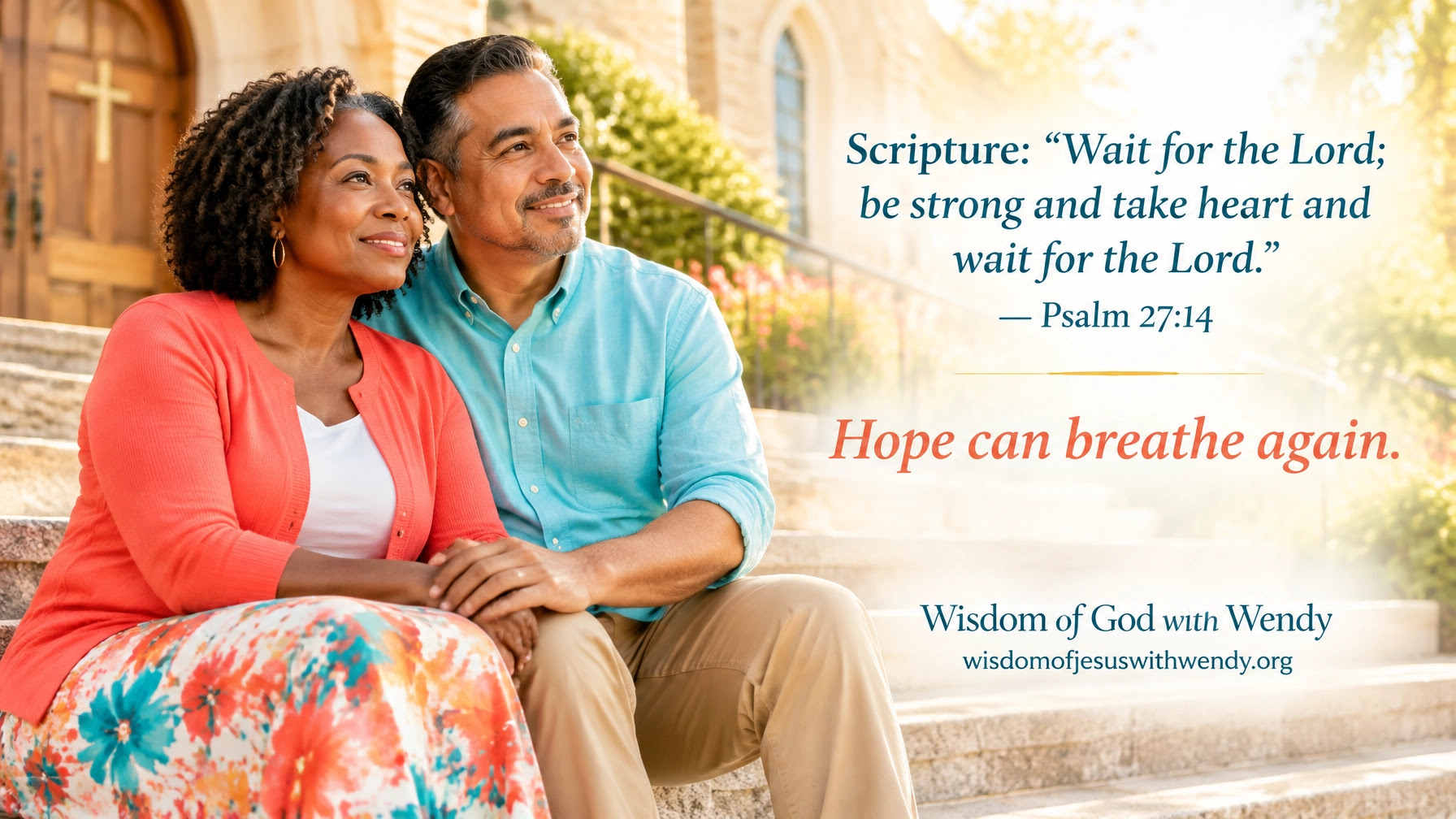
Maybe you’ve prayed about the same need for months, or years. You’ve tried to stay hopeful, but the silence keeps stretching out. Now you’re tired of hearing your own voice ask. Somewhere along the way the praying got heavy, then it got rare, and now some days it doesn’t happen at all. You might even be wondering whether God hears you, whether anything is ever going to change, or whether you can still believe like you used to.
And here’s the part a lot of folks won’t say out loud: you may be angry about it. Maybe more than a little. Nobody feels great about pouring their heart out and getting what feels like nothing back. That struggle deserves honesty, not a lecture. Waiting can wear you down, especially when the need is real and the answer matters: steady work, healing, a safe home, a relationship restored, help with caregiving, or a way out of financial pressure. Watching other people get their answer while you’re still standing in line can make your own wait feel painfully personal.
Here’s why it may be worth staying open to faith, even when you can’t make yourself feel certain: faith can give you a way to keep moving through today without pretending you know how tomorrow will turn out. You can look honestly at the wait, remember what has sustained you, and take one useful step at a time. That won’t force an answer or erase the hard parts, but it may help you find steadier ground while you wait.
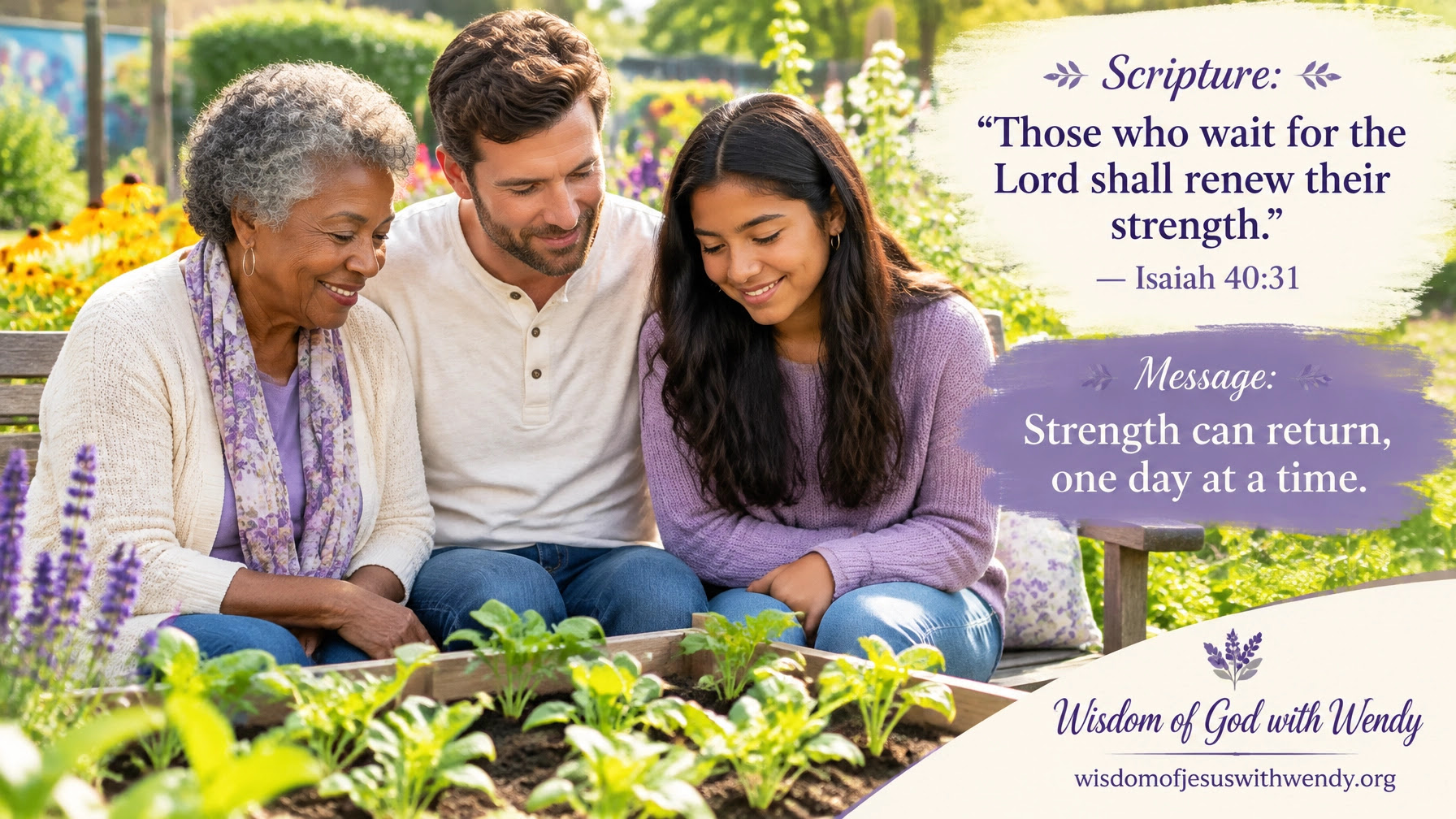
Maybe you’ve kept praying, but the words feel worn out. You start a prayer and stop halfway, not because you don’t care, but because you don’t want to raise your hopes and get let down again. Hoping costs something when you’ve been disappointed before. That’s why some people quietly decide it’s safer to stop expecting anything. It looks like giving up. Underneath, it’s usually just a tired heart trying to protect itself.
You might also be carrying unanswered prayers from different seasons, all piled together, so that one delay stirs up the pain of another. Waiting starts to feel like being ignored. Anger and doubt move in next door to your faith, and some mornings they’re louder than it is. If depression has settled in, even ordinary tasks take more energy than they should. None of that makes you a failure, and none of it disqualifies you. It may mean you’re exhausted and carrying more than one person should.
Waiting isn’t easy but it is often neccessary.
The Bible includes people who waited and struggled. Abraham and Sarah waited many years for Isaac after receiving a promise. Their story doesn’t say the wait was easy or that they handled every moment perfectly. Joseph spent years in hardship, including prison, before his circumstances changed. Hannah brought her grief to God while longing for a child. David was chosen to be king long before he actually became king.
These stories offer evidence that waiting is part of many lives of faith, not proof that every person will receive the same answer in the same way. They also show that a long delay isn’t enough, by itself, to tell you what God is doing. The stories don’t give us a timetable for our own needs. They do offer a record of people who faced uncertainty and kept bringing their real lives to God.
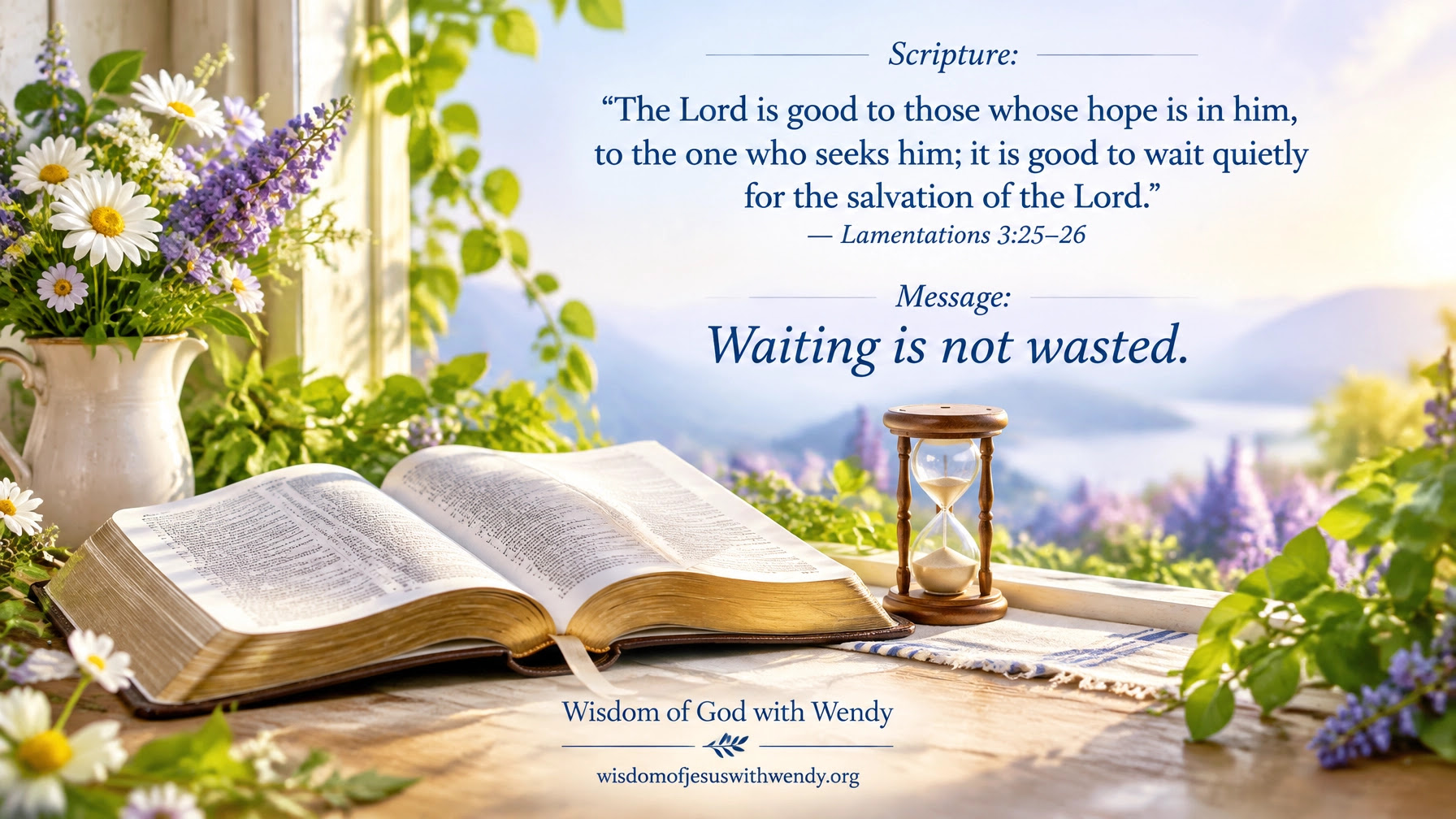
Simeon waited to see the promised Messiah, as described in Luke 2. His story is a reminder that some people live with a hope for a long time before they see what they were waiting for. It doesn’t tell you how long your wait will be, or what your answer will look like. It can, however, remind you that your present view may not be the whole story.
Zechariah and Elizabeth are another pair worth sitting with. Luke tells us they were faithful, and they were also old and still childless after years of praying. Their answer came later than anyone would have planned it, and it came in a way nobody saw coming. Read that slowly if you need to. Faithful and still waiting. Both at the same time. That combination shows up all through Scripture, which means your long wait is not evidence that something is wrong with your faith.
And Job’s story needs care, too. He suffered deeply, and the book gives space to his grief and hard questions. It doesn’t present pain as something you should brush off with a quick explanation. When life hurts, it may help to remember that Scripture has room for lament, anger, and the plea for God to answer.
Remember the history you already have
One practical way to build faith is to remember what you’ve already lived through. This isn’t about convincing yourself that everything turned out exactly as you hoped. It’s about gathering the full story, not just the unanswered parts.
You might remember a time you received help from an unexpected person, found courage to make a hard decision, or got through a season you thought would break you. Maybe the answer was not the one you wanted, but you found strength, support, or a next step. Those memories don’t guarantee a particular result now. They can remind you that you have been carried through real days before.
Try writing down a few moments in a note on your phone or in a journal. Keep it plain. What happened? Who helped? What did you learn about your own resilience, your community, or God’s presence? When you hit a low day, read it, not as proof that you can predict the future, but as evidence that the wait is not the only part of your story.
The Bible’s stories can also help you remember a wider history of faith. When you read about Abraham, Hannah, Joseph, David, or Simeon, notice the human details: the long stretches, the fear, the choices, and the uncertainty. You don’t have to force yourself to feel inspired. You can simply let their stories sit beside yours.
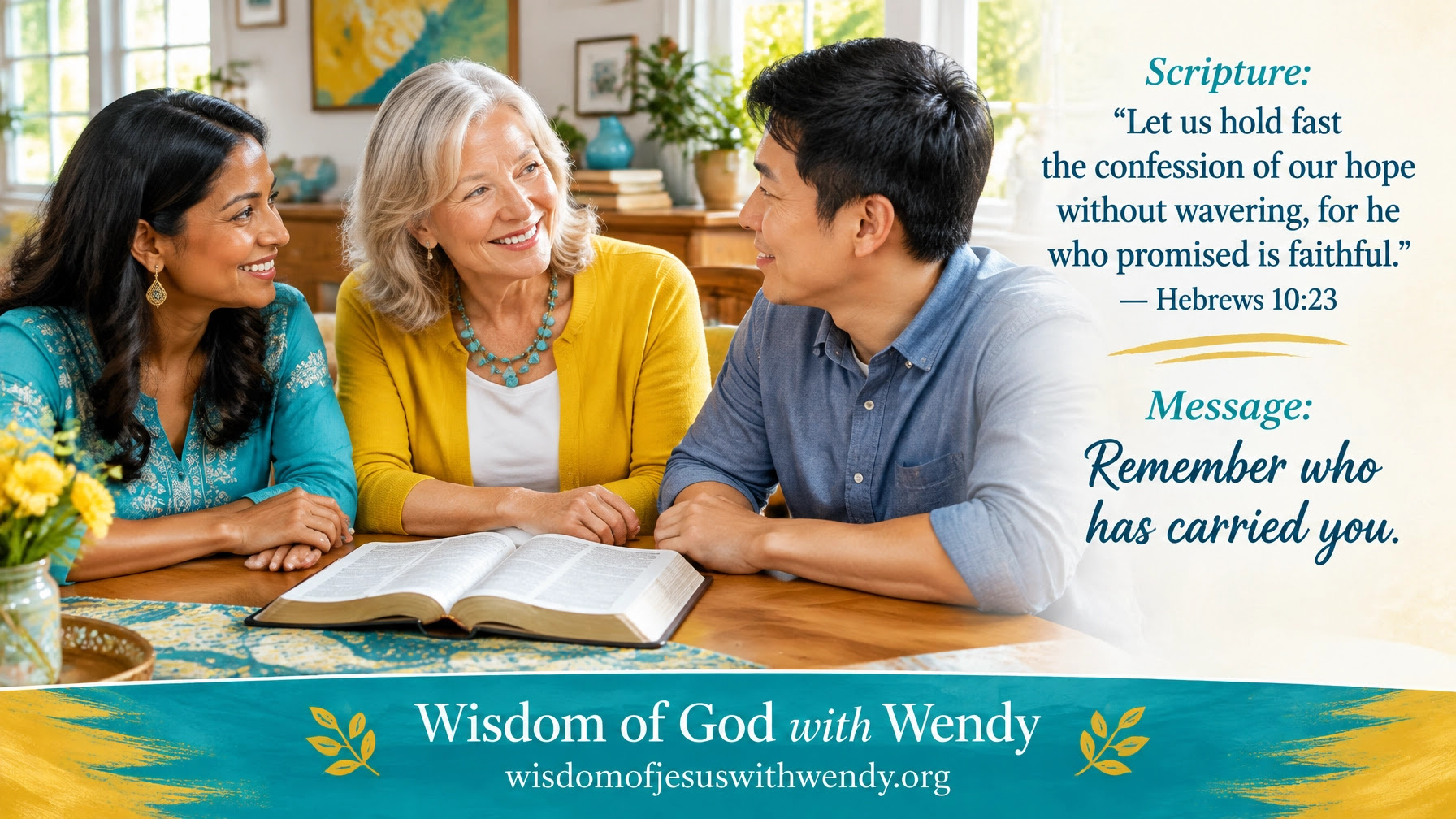
Take small steps that make room for faith
Faith doesn’t always feel like confidence. Sometimes it looks more like staying open to God while admitting that you’re unsure. If praying feels impossible, you might begin with one honest sentence: “God, I’m tired of waiting. Please meet me here.” You don’t need polished words.
Here are a few simple ways to make space for faith without pretending the wait is easy:
- Tell God the truth. Bring your anger, numbness, fear, and doubt into prayer. You might read a Psalm of lament and use it as words when your own are hard to find.
- Keep a record of help. Write down past moments of provision, encouragement, strength, or companionship. Include ordinary things, not only dramatic changes.
- Ask for support. Choose someone trustworthy to talk with: a friend, faith leader, counselor, or support group. You don’t have to carry the wait alone.
- Separate what you can do from what you can’t control. If work is the need, perhaps the next step is updating a résumé or asking someone to review it. If you’re caregiving, it may be asking one person for a specific hour of help. Small action doesn’t mean you’ve stopped trusting God.
- Make space for a good moment today. Take a walk, enjoy a meal, listen to music, or spend time with someone safe. You don’t have to postpone every bit of joy until the answer arrives.
Enjoying a waiting season doesn’t mean enjoying the pain of not having what you need. It might mean allowing one good moment to count, even while the larger situation remains unresolved. You can grieve and still notice the sunlight. You can hope and still take a break from thinking about the problem for an hour. Rest is not a betrayal of your prayer.
And if depression is making daily life feel unmanageable, consider reaching out to a licensed mental health professional or doctor. Spiritual support and professional care can sit alongside each other. Asking for help is a practical step, not evidence that your faith has failed. You can also find encouragement in a reminder that you matter to God.
Faith is not a formula
It matters to say this plainly: faith is not a way to make God provide a specific result on demand. Waiting patiently doesn’t earn an answer, and remembering past blessings doesn’t mean you’ll get the exact outcome you want. God’s timing is God’s own, and some questions remain unanswered for longer than we can understand.
That honesty doesn’t have to cancel hope. You can trust God with your need while also making plans, asking for help, and acknowledging what is uncertain. You can say, “I don’t know what will happen, but I’m willing to take the next step with God.” Maybe belief begins there, not as a big feeling, but as a small choice to stay in the conversation.
Let your faith be small and honest today
If you don’t feel like praying, perhaps you can sit quietly for a minute. If you can’t imagine believing with confidence, maybe you can borrow the words of Scripture or ask someone you trust to pray with you. If you can’t see an answer, you might still take one caring step for yourself today.
We at WIN International Ministries know that long waits can bring up hard questions. We won’t ask you to pretend that waiting is okay or that everything is good. We can hold space for your weariness while encouraging you to keep a small opening for hope. God’s history of faithfulness, in Scripture and in your own life, may give you a reason to keep looking for help, even if it doesn’t tell you exactly when or how your need will change.
Would you pray with us?
God, I’m bringing You this long wait. You know what I need and how tired I feel. You see the doubt, anger, and disappointment I may not know how to explain. Please meet me in this moment. Help me remember the times You have carried me, and guide me toward the support and next steps I need today. I don’t know what the answer will be, but I ask You to stay close to me as I wait. Amen.
You don’t have to solve the whole future today. Let one honest prayer, one remembered kindness, or one small step be enough for this moment. Following God through uncertainty can begin again quietly.
Please follow WIN International Ministries on our social media networks, subscribe to our email list, and consider giving a donation so our ministry can continue sharing content you love: content that may help you build a better life.
One Question to Sit With
As you remember the ways God has carried you before, what is one small step you could take today while you wait for what you need but cannot yet see?